
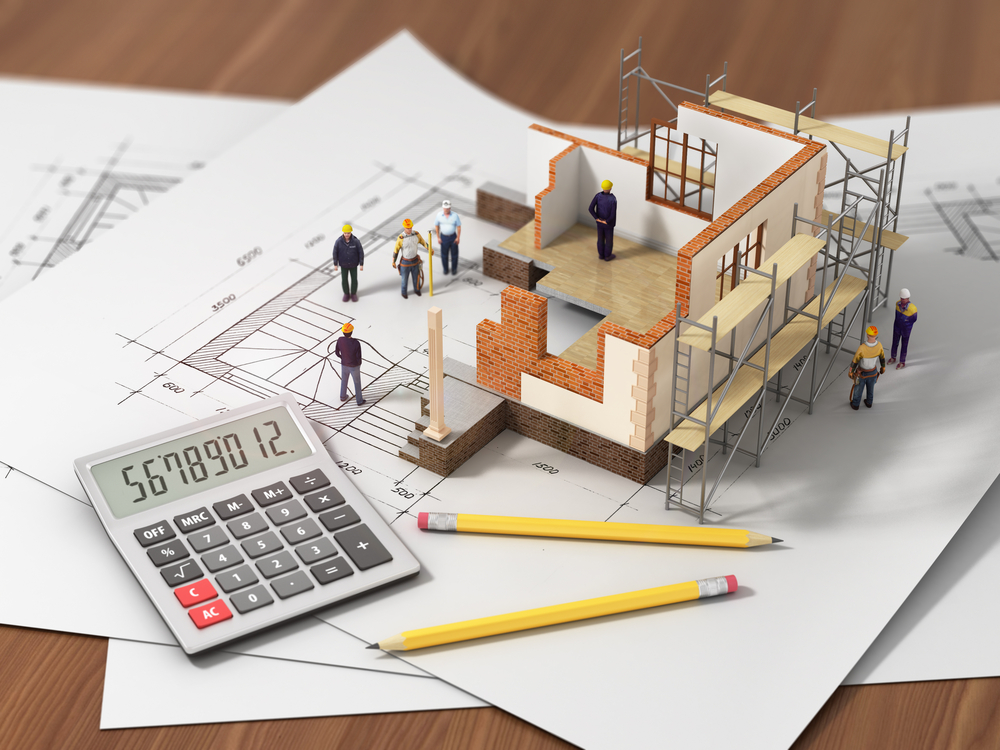

In general, the difference between budget building and quality construction is not readily apparent. Two houses built on the same street may appear similar from the street, have similar floor plans, and even cost about the same amount to build. However, after five years of living in either of these homes, the difference becomes apparent. One house feels solid, quiet and comfortable, while the other creaks with every step, has sticking doors and windows that leak air.
Quality construction is not simply the spending of more money, but the wise spending of one’s money for things which really count for long-lasting performance. The difference between budget and quality building is in the selection of materials, method of construction, attention to details, and the understanding of where corners can safely be cut and where they cannot.
An understanding of these things should explain why some builders invariably provide homes that will last decades without serious trouble. Others leave a trail of callback visits, with a lot of dissatisfied people living in homes that are not satisfactory.
Material Selection Makes All the Difference
The materials chosen for a construction project set the foundation for everything that follows. Budget builders often focus on initial cost above all else, selecting materials that meet minimum requirements but may not perform well over time. Quality builders understand that material costs represent a small fraction of total project expense, but material performance affects the building for its entire lifespan.
This difference shows up clearly in structural components and exterior materials. Budget projects might use the cheapest lumber that meets code requirements, while quality construction selects properly graded materials suited to their specific applications. The cost difference might be minimal, but the performance gap can be enormous.
Exterior cladding represents another area where material quality creates lasting differences. Budget builders often choose basic materials that require frequent maintenance and replacement. Quality construction invests in materials that perform consistently in local climate conditions. When builders work with suppliers who understand these performance differences, such as James Hardie Timber Supply WA providers, they can access materials engineered for Australian conditions that maintain their appearance and structural integrity over decades.
The hidden costs of cheap materials become apparent over time. Materials that require frequent replacement or maintenance often cost more in the long run than higher-quality alternatives that last longer with minimal upkeep.
Construction Techniques Tell the Real Story
Quality construction employs techniques that may not be visible in the finished product but make dramatic differences in long-term performance. These techniques often require more time and skill than budget approaches, but they prevent problems that would be expensive to fix later.
Proper framing techniques ensure walls remain straight and true over time. Quality builders take extra care with alignment, bracing, and connection details that budget builders might rush through. These details affect everything from how well doors and windows operate to how effectively insulation performs.
Moisture management represents another area where technique matters enormously. Quality construction includes proper vapor barriers, flashing details, and drainage systems that prevent water intrusion. Budget building often skips or shortcuts these details, leading to problems that might not appear for years but can be devastating when they do.
Installation quality affects how well materials perform regardless of their inherent quality. Even premium materials fail prematurely when installed incorrectly, while properly installed standard materials often outperform poorly installed premium alternatives.
The Details That Matter
Quality construction pays attention to details that budget building overlooks or rushes through. These details might seem minor individually, but they add up to create homes that feel solid and perform reliably.
Proper insulation installation requires time and care that budget builders often don’t invest. Quality builders ensure insulation fills cavities completely without gaps or compression that reduces effectiveness. This attention to detail affects energy costs and comfort for the life of the building.
Electrical and plumbing rough-in work provides another example of how details matter. Quality construction includes proper support for fixtures, appropriate circuit sizing, and neat installation that makes future maintenance easier. Budget approaches often result in minimal code compliance that creates problems during renovations or repairs.
Window and door installation represents a critical detail that affects both performance and appearance. Quality installation ensures proper alignment, weatherproofing, and operation, while budget installation often results in units that don’t function properly or allow air and water infiltration.
Understanding Where to Invest
Smart building isn’t about spending more money everywhere – it’s about understanding where investment pays off and where economies are acceptable. Quality builders know which elements affect long-term performance and which are primarily aesthetic choices.
Structural elements, moisture management systems, and mechanical installations represent areas where quality investment pays dividends over time. These systems are expensive to modify or repair after construction, making initial quality essential.
Finish materials offer more flexibility for budget management. High-quality structural systems can support various finish levels, allowing builders to adjust costs based on client priorities while maintaining underlying quality.
Quality builders also understand that some expensive options don’t necessarily improve performance. The key is distinguishing between features that add genuine value and those that primarily increase cost without proportional benefit.
The Labor Factor
Construction quality depends heavily on the skill and care of the workers performing the work. Quality construction companies invest in training, retain experienced workers, and allow sufficient time for proper installation techniques.
Budget construction often relies on the lowest-cost labor available, which may lack the skills or motivation to perform quality work. Time pressure to complete projects quickly can compromise installation quality even when workers have appropriate skills.
Quality builders understand that labor represents the largest cost component in most construction projects, but trying to save money on labor often results in much higher costs later through callbacks, warranty work, and reputation damage.
Long-Term Value Considerations
The true measure of construction quality appears over time through reduced maintenance requirements, lower energy costs, and better resale value. Quality construction maintains its appearance and performance longer, requiring fewer repairs and updates.
Budget construction might cost less initially, but ongoing maintenance and repair costs often exceed the initial savings within a few years. Quality construction represents an investment that pays returns throughout the building’s useful life.
Energy performance provides a measurable example of how quality construction saves money over time. Proper insulation, air sealing, and window installation reduce heating and cooling costs that compound year after year.
Quality construction creates buildings that people want to live in and work in long-term. The comfort, reliability, and low maintenance requirements of quality building make them more valuable in the marketplace and more enjoyable for occupants.
The difference between budget and quality construction ultimately comes down to taking a long-term perspective on building performance rather than focusing solely on initial costs.

Comments are closed.