
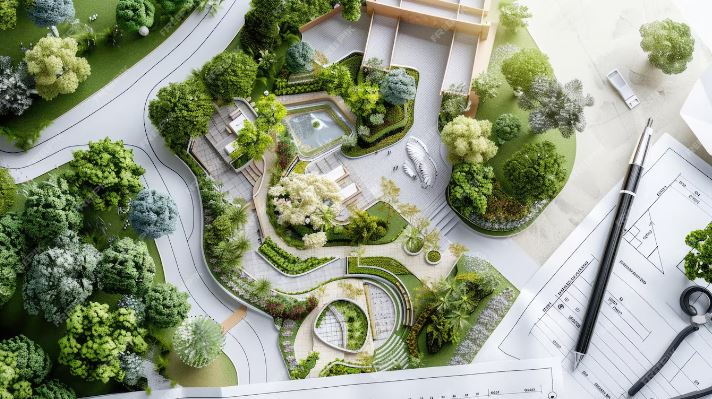

Landscape integration is no longer treated as a decorative afterthought in contemporary architectural site planning. Instead, it functions as a core strategy that shapes environmental performance, spatial identity, user comfort, and long-term resilience. By thoughtfully merging built form with ecological systems, designers create sites that respond intelligently to climate, terrain, vegetation, water cycles, and human movement patterns.
Sustainable site planning today demands an interdisciplinary approach where architecture, landscape architecture, ecology, and infrastructure operate as a unified system. This article explores how landscape integration strengthens environmental performance, improves social value, and enhances the long-term viability of built environments.
Understanding Landscape Integration in Site Planning
Landscape integration refers to the intentional coordination of natural systems and built structures during the earliest stages of site planning. Instead of modifying land to suit buildings alone, designers allow existing ecological patterns to guide placement, orientation, circulation, and open-space strategy.
This process involves analyzing multiple site parameters such as:
- Topography and slope conditions
- Native vegetation patterns
- Solar exposure and shading behavior
- Wind movement across the site
- Hydrological flow paths
- Soil stability and permeability
- Biodiversity potential
When these elements inform planning decisions, architecture becomes responsive rather than disruptive.
Integrated landscapes reduce environmental stress, improve energy performance, and create meaningful spatial experiences that support both users and ecosystems.
The Role of Landscape in Sustainable Development Goals
Landscape integration directly contributes to broader sustainability objectives by improving ecological performance and supporting community well-being. It helps reduce resource consumption while strengthening resilience against environmental challenges such as flooding, heat stress, and habitat loss.
Key sustainability contributions include:
Climate responsiveness
Vegetation moderates microclimates through shading and evapotranspiration, lowering surface and air temperatures around buildings.
Water management
Permeable landscapes support infiltration, groundwater recharge, and stormwater control.
Carbon sequestration
Trees and soil systems absorb atmospheric carbon, improving environmental performance at the site scale.
Biodiversity restoration
Native planting supports pollinators, birds, and small wildlife habitats within urban environments.
Human health benefits
Access to green spaces improves psychological well-being, productivity, and social interaction.
Together, these benefits demonstrate why landscape planning is essential rather than optional in sustainable architecture.
Site Analysis as the Foundation of Landscape Integration
Successful integration begins with detailed site analysis. Designers must understand the environmental logic of a place before proposing spatial interventions.
A comprehensive site study typically evaluates:
Topography
Slope conditions influence building placement, drainage strategy, and accessibility. Working with natural contours reduces excavation requirements and prevents erosion.
Climate Patterns
Understanding seasonal sun paths and prevailing winds supports passive heating and cooling strategies.
Existing Vegetation
Preserving mature trees reduces construction impact and strengthens ecological continuity across the site.
Hydrology
Mapping water flow paths prevents flooding risks and supports stormwater harvesting systems.
Through these analyses, architecture responds intelligently to environmental forces rather than resisting them.
Native Planting Strategies in Sustainable Site Planning
Native vegetation plays a critical role in landscape-integrated site planning because it adapts naturally to local climate conditions and requires minimal maintenance resources.
Benefits of native planting include:
- Reduced irrigation demand
- Lower fertilizer dependency
- Increased habitat support for wildlife
- Improved soil stability
- Enhanced resilience to drought conditions
Native landscapes also strengthen regional identity. They create a sense of place that reflects ecological heritage rather than imposing generic planting schemes.
Designers often combine layered planting structures including:
- Groundcover vegetation
- Shrub zones
- Canopy trees
- Wetland planting buffers
These layers support ecological diversity while improving visual richness across the site.
Stormwater Management Through Landscape Design
Water-sensitive site planning is one of the most powerful tools available in sustainable architecture. Instead of treating rainwater as waste, integrated landscape systems transform it into a resource.
Effective strategies include:
Bioswales
Vegetated channels slow runoff and filter pollutants before water enters drainage networks.
Rain gardens
Shallow planted depressions capture stormwater and promote infiltration.
Permeable pavements
These surfaces reduce surface runoff while supporting groundwater recharge.
Constructed wetlands
Designed wetland systems treat wastewater naturally while enhancing biodiversity.
Together, these techniques reduce pressure on municipal infrastructure and improve environmental performance across the site.
Microclimate Regulation Through Landscape Elements
Landscape features strongly influence thermal comfort around buildings. Trees, water bodies, and planting buffers can significantly reduce heat stress in urban environments.
Important microclimate strategies include:
- Shading building facades with canopy trees
- Creating wind corridors through vegetation alignment
- Using water features for evaporative cooling
- Designing green roofs and vertical planting systems
- Positioning vegetation as solar filters along pedestrian pathways
These interventions improve outdoor usability while lowering cooling energy demand indoors.
Microclimate-sensitive design becomes especially important in regions experiencing increasing temperature extremes.
Integrating Open Space Networks Into Site Planning
Landscape integration supports the creation of connected open-space systems that enhance usability and ecological continuity.
Open space networks may include:
- Pedestrian corridors
- Courtyard landscapes
- Ecological buffer zones
- Community gathering areas
- Green mobility pathways
Rather than isolated green pockets, these spaces function as continuous environmental infrastructure that connects buildings and supports social interaction.
Well-designed open space networks also improve accessibility and walkability across large campuses and mixed-use developments.
Landscape as Ecological Infrastructure
Traditionally, infrastructure referred only to roads, drainage, and utilities. Contemporary sustainable planning expands this definition to include ecological systems that perform environmental services.
Examples of ecological infrastructure include:
- Urban tree canopies
- Soil regeneration zones
- Stormwater wetlands
- Habitat corridors
- Pollinator pathways
These systems improve air quality, reduce urban heat island effects, and support long-term environmental stability.
Treating landscape as infrastructure shifts design priorities toward resilience rather than short-term construction efficiency.
Cultural and Social Dimensions of Landscape Integration
Landscape integration also strengthens social identity and cultural continuity within built environments.
Public spaces shaped through landscape planning encourage:
- Informal interaction
- Recreational activity
- Community engagement
- Cultural expression
- Environmental awareness
Designers often incorporate regionally meaningful materials, planting traditions, and spatial forms that reflect local heritage.
This approach creates environments that feel rooted in place rather than detached from context.
Landscape Integration and Energy Efficiency
Strategic landscape placement contributes directly to building energy performance.
Examples include:
- Deciduous trees providing summer shading and winter solar access
- Vegetation buffers reducing wind exposure
- Earth berms improving thermal insulation
- Green roofs lowering heat absorption
- Courtyard planting improving ventilation patterns
These passive strategies reduce reliance on mechanical systems while improving comfort levels across seasons.
Landscape therefore becomes an active participant in building performance rather than a visual accessory.
Long-Term Maintenance and Lifecycle Planning
Sustainable site planning must consider landscape performance over time. Integrated systems succeed only when supported by appropriate maintenance strategies.
Lifecycle planning involves:
- Selecting climate-adapted plant species
- Designing efficient irrigation systems
- Preventing soil compaction during construction
- Supporting long-term biodiversity health
- Planning phased landscape growth patterns
Low-maintenance ecological landscapes reduce operational costs while improving environmental resilience.
This long-term perspective ensures landscape integration remains effective decades after project completion.
The Future of Landscape-Integrated Site Planning
Emerging technologies and environmental challenges continue to shape new approaches to landscape integration.
Future trends include:
- Climate-adaptive planting frameworks
- Digital site analysis tools
- Regenerative landscape systems
- Urban biodiversity corridors
- Net-zero landscape infrastructure strategies
As environmental pressures increase, integrated landscape planning will become essential rather than optional across architectural practice.
Sites that function as ecological systems rather than isolated developments represent the future of sustainable design.
Frequently Asked Questions
What is the difference between landscape integration and landscape beautification?
Landscape beautification focuses primarily on visual enhancement, while landscape integration involves coordinating ecological systems with architectural planning to improve environmental performance and functionality.
How early should landscape planning begin in a site development project?
Landscape planning should begin during the initial site analysis stage. Early integration allows natural features such as slopes, vegetation, and water flow patterns to guide design decisions effectively.
Can landscape integration reduce construction costs?
Yes. Preserving existing vegetation, minimizing excavation, and using natural drainage systems can reduce infrastructure expenses and long-term maintenance costs.
How does landscape integration support climate resilience?
Integrated landscapes improve stormwater absorption, reduce heat buildup, support biodiversity, and strengthen soil stability, helping sites respond more effectively to extreme weather conditions.
Is landscape integration suitable for high-density urban environments?
Yes. Even compact sites can incorporate green roofs, vertical gardens, permeable paving, and micro-scale habitat systems that improve environmental performance.
What role does soil play in sustainable landscape planning?
Healthy soil supports vegetation growth, improves water infiltration, stores carbon, and strengthens ecosystem stability. Protecting soil quality is essential for long-term landscape performance.
How can landscape integration improve pedestrian experience?
Thoughtfully designed planting corridors, shaded walkways, and open-space connections create comfortable movement networks that encourage walking while improving thermal comfort and safety.

Comments are closed.