
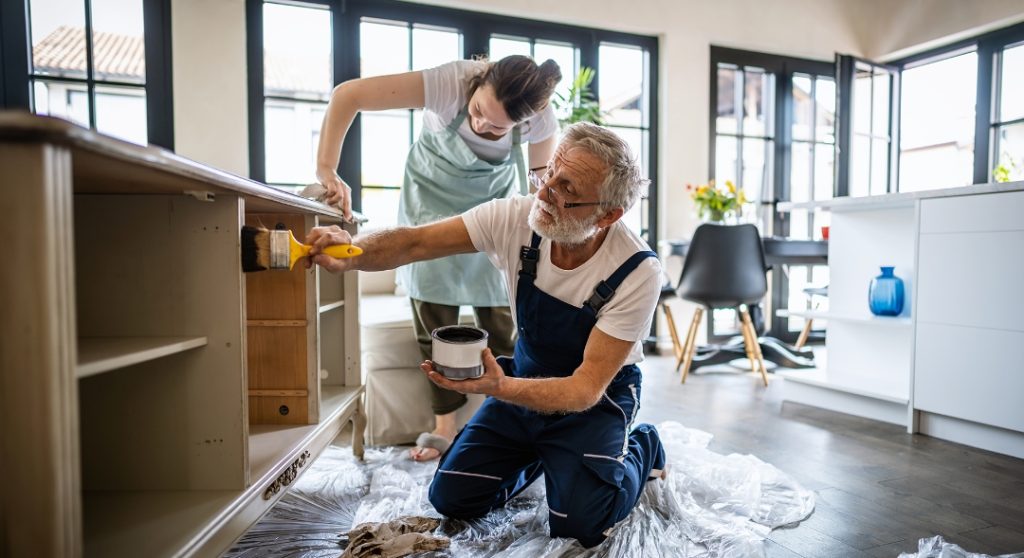

Home safety is one of the most important responsibilities homeowners face. A well designed safety strategy protects residents from accidents, reduces property damage risks, and increases long term home value. Many safety improvements are simple to implement yet significantly improve daily living conditions. Others involve structural upgrades that strengthen protection against fire, intrusion, environmental hazards, and system failures.
Modern homeowners are increasingly adopting proactive safety measures rather than reacting after problems occur. Thoughtful planning, regular maintenance, and smart technology integration together create safer residential environments that support comfort and peace of mind.
Understanding essential safety improvements helps homeowners make informed decisions that strengthen both physical protection and household resilience.
Installing Smoke and Carbon Monoxide Detection Systems
Smoke detectors and carbon monoxide detectors are among the most critical safety devices in any home. These systems provide early warnings that allow occupants to respond quickly during emergencies.
Recommended placement areas include:
- Bedrooms and sleeping areas
- Hallways connecting living spaces
- Kitchens with safe distance from cooking appliances
- Basements and utility rooms
Carbon monoxide detectors are especially important near fuel burning appliances such as furnaces, water heaters, and fireplaces.
Regular battery replacement and monthly testing ensure these devices remain functional when needed most.
Upgrading Electrical Systems to Prevent Hazards
Electrical faults are a leading cause of residential fires. Outdated wiring systems, overloaded circuits, and damaged outlets increase safety risks within older homes.
Important electrical safety improvements include:
- Installing ground fault circuit interrupter outlets in kitchens and bathrooms
- Replacing worn or damaged wiring
- Upgrading outdated electrical panels
- Avoiding overloaded extension cords
- Scheduling professional inspections for older electrical systems
Modern electrical upgrades improve both safety and energy efficiency while supporting increased appliance usage in contemporary households.
Improving Door and Window Security Measures
Doors and windows serve as primary entry points into homes, making them essential components of residential security planning.
Effective improvements include:
- Installing high quality deadbolt locks
- Reinforcing door frames and hinges
- Using impact resistant window glass
- Adding window locking systems
- Installing motion activated exterior lighting near entry points
These upgrades reduce intrusion risks and strengthen overall household protection.
Combining physical reinforcement with lighting strategies improves nighttime visibility around property boundaries.
Installing Home Security Monitoring Systems
Modern home security systems provide continuous monitoring and remote control capabilities through mobile applications and connected devices.
Common security system features include:
- Motion detection sensors
- Door and window contact alerts
- Video doorbell monitoring
- Interior surveillance cameras
- Emergency alert notifications
Smart security systems allow homeowners to monitor activity even while traveling or away from home for extended periods.
Real time alerts help homeowners respond quickly to unusual activity and improve coordination with emergency services when necessary.
Enhancing Fire Safety Through Kitchen Improvements
Kitchen environments present one of the highest fire risks in residential settings due to cooking equipment and heat producing appliances.
Important kitchen safety improvements include:
- Keeping fire extinguishers within easy reach
- Installing heat resistant backsplash materials
- Avoiding flammable materials near cooking surfaces
- Maintaining safe appliance wiring connections
- Cleaning grease buildup regularly
These measures significantly reduce fire risk while improving cooking safety.
Educating household members about emergency response procedures also strengthens preparedness during unexpected situations.
Securing Stairways and Preventing Fall Accidents
Falls remain one of the most common causes of injury in residential environments, particularly among children and older adults.
Important fall prevention strategies include:
- Installing secure handrails on staircases
- Adding non slip stair tread surfaces
- Improving lighting along stairways
- Removing loose rugs near steps
- Installing safety gates when needed
These improvements support safer movement throughout the home while reducing accident risk.
Proper stairway visibility is especially important during nighttime hours.
Improving Bathroom Safety Conditions
Bathrooms present unique safety challenges due to moisture exposure and slippery surfaces.
Recommended safety improvements include:
- Installing grab bars near showers and toilets
- Using non slip flooring materials
- Installing walk in shower systems
- Adding adequate ventilation systems
- Maintaining proper lighting levels
These modifications reduce fall risks while improving accessibility for all household members.
Bathroom safety upgrades are especially valuable for households with elderly residents or individuals with mobility challenges.
Strengthening Outdoor Lighting for Property Safety
Exterior lighting improves both visibility and security around residential properties. Well lit outdoor environments discourage unauthorized entry while improving safe movement around walkways and entrances.
Important outdoor lighting strategies include:
- Installing pathway lighting along sidewalks
- Adding motion activated security lighting
- Illuminating garage entry points
- Lighting backyard access areas
- Highlighting driveway edges
Improved lighting also reduces accident risks caused by uneven surfaces or obstacles.
Strategic placement ensures effective coverage across the entire property perimeter.
Installing Emergency Preparedness Equipment
Emergency preparedness equipment helps households respond effectively during unexpected situations such as storms, power outages, or natural disasters.
Essential preparedness items include:
- Backup flashlights with extra batteries
- Emergency medical kits
- Portable phone charging devices
- Emergency contact lists
- Fire escape planning diagrams
Prepared households respond more efficiently during emergencies and reduce stress during unexpected disruptions.
Planning evacuation routes in advance improves safety for all residents.
Improving Indoor Air Quality for Health Protection
Indoor air quality directly affects long term health conditions and daily comfort levels. Pollutants inside homes may originate from cleaning products, cooking activities, or ventilation limitations.
Important air quality improvements include:
- Installing air filtration systems
- Maintaining heating and cooling equipment
- Cleaning ventilation ducts regularly
- Reducing indoor moisture accumulation
- Using low emission interior materials
Improved air quality supports respiratory health while creating more comfortable living environments.
Healthy indoor environments also improve productivity and sleep quality.
Childproofing Measures for Family Safety
Households with young children require additional safety planning to prevent accidents during early developmental stages.
Important child safety improvements include:
- Installing outlet safety covers
- Securing heavy furniture to walls
- Locking hazardous storage cabinets
- Installing window guards
- Using corner protectors on furniture edges
These measures reduce injury risks while supporting safe exploration within home environments.
Childproofing strategies should be reviewed regularly as children grow and mobility patterns change.
Maintaining Structural Integrity for Long Term Protection
Structural safety plays a major role in protecting occupants from long term risks related to environmental exposure and aging building materials.
Important maintenance priorities include:
- Inspecting roofing systems regularly
- Monitoring foundation stability conditions
- Repairing water leaks promptly
- Maintaining drainage systems
- Checking exterior wall conditions
Routine inspections help homeowners identify small issues before they develop into serious structural problems.
Maintaining structural integrity protects both property value and resident safety.
Frequently Asked Questions
How often should smoke detectors be replaced
Most smoke detectors should be replaced every ten years to ensure reliable performance, even if batteries are changed regularly.
What is the safest location for a home fire extinguisher
Fire extinguishers should be placed in kitchens, garages, and near exit routes where they remain easily accessible during emergencies.
Are smart security systems effective without professional monitoring services
Yes. Many smart security systems provide real time alerts through mobile applications that allow homeowners to respond quickly without requiring external monitoring services.
How can homeowners improve safety during power outages
Backup lighting equipment, emergency charging devices, and clearly planned evacuation routes improve safety during unexpected electrical outages.
Why is outdoor lighting important for residential safety
Outdoor lighting improves visibility around entry points and discourages unauthorized access while reducing accident risks caused by poor nighttime visibility.
What type of flooring reduces fall risk in homes
Non slip flooring materials such as textured tile, rubber backed mats, and slip resistant vinyl surfaces improve traction and reduce fall risk.
How often should homeowners inspect structural elements of their homes
Homeowners should inspect major structural components such as roofing, drainage systems, and foundations at least once each year to identify potential safety concerns early.

Comments are closed.