
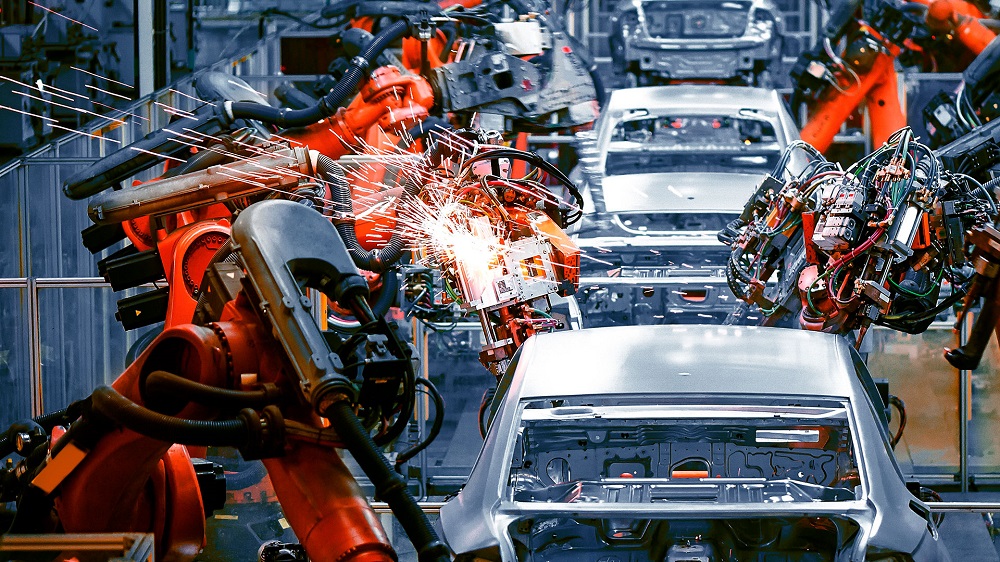

The automotive industry depends on one of the most complex global supply chains in modern manufacturing. A single vehicle can include thousands of components sourced from multiple countries and coordinated across layered supplier networks. Over the past decade, disruptions caused by semiconductor shortages, geopolitical tensions, natural disasters, and changing mobility technologies have exposed vulnerabilities in traditional automotive supply chain structures.
In response, manufacturers are investing in supply chain innovation strategies that improve flexibility, transparency, responsiveness, and risk management. These innovations are not only helping companies maintain production continuity but also strengthening long term competitiveness in an increasingly uncertain global environment.
Supply chain resilience has become a central pillar of automotive manufacturing strategy rather than a secondary operational concern.
Understanding the Automotive Supply Chain Structure
The automotive supply chain includes a multilayered network of suppliers responsible for delivering raw materials, electronic components, structural parts, and finished assemblies to vehicle manufacturers.
This network typically operates across three primary supplier tiers:
Tier one suppliers
These companies deliver fully assembled systems such as braking modules, steering systems, infotainment platforms, and seating assemblies directly to vehicle manufacturers.
Tier two suppliers
These suppliers provide subcomponents such as sensors, castings, wiring harnesses, and electronics used by tier one manufacturers.
Tier three suppliers
These organizations produce raw materials including steel, aluminum, polymers, semiconductors, and specialty chemicals that support upstream production.
Because each layer depends heavily on the others, disruptions in one segment can affect the entire manufacturing ecosystem.
Why Supply Chain Resilience Matters in Automotive Manufacturing
Manufacturing resilience refers to the ability of production systems to maintain operations during unexpected disruptions. In the automotive sector, resilience directly affects production schedules, delivery timelines, workforce stability, and financial performance.
Recent global events have highlighted several vulnerabilities including:
- Semiconductor shortages affecting vehicle electronics production
- Shipping delays disrupting component delivery timelines
- Rising raw material costs impacting manufacturing budgets
- Regional conflicts influencing supplier availability
- Climate events damaging logistics infrastructure
Supply chain innovation helps manufacturers respond to these challenges more effectively by improving visibility and adaptability across sourcing networks.
Digital Supply Chain Platforms Improving Visibility
Digital transformation plays a major role in strengthening automotive supply chain resilience. Manufacturers increasingly rely on integrated data platforms that track supplier activity, transportation conditions, inventory levels, and production capacity in real time.
Benefits of digital supply chain platforms include:
- Improved forecasting accuracy
- Early disruption detection
- Faster supplier communication
- Better inventory coordination
- Reduced production downtime risks
Digital dashboards allow managers to monitor supplier networks continuously rather than reacting after problems occur.
These platforms support proactive decision making that improves operational stability.
Semiconductor Supply Chain Localization Strategies
Modern vehicles rely heavily on electronic systems for safety, connectivity, navigation, and automation features. Semiconductor shortages have demonstrated the importance of securing reliable chip supply sources.
Manufacturers are responding through several localization strategies including:
- Establishing regional semiconductor partnerships
- Investing in domestic chip production facilities
- Expanding supplier diversification networks
- Increasing strategic inventory reserves
Localization reduces dependence on single region sourcing and improves production continuity during international disruptions.
It also strengthens collaboration between automotive manufacturers and electronics producers.
Supplier Diversification Reducing Dependency Risks
Traditional supply chains often relied heavily on single source suppliers for critical components. While efficient under stable conditions, this approach increases vulnerability during disruptions.
Supplier diversification strategies now focus on:
- Multi region sourcing networks
- Secondary supplier qualification programs
- Flexible procurement contracts
- Regional manufacturing partnerships
Diversification improves adaptability by ensuring alternative production channels remain available during emergencies.
This approach supports continuous vehicle assembly operations even when individual suppliers face unexpected constraints.
Regional Manufacturing Networks Supporting Flexibility
Automotive manufacturers are increasingly shifting from globally centralized supply networks toward regional production ecosystems.
Regional manufacturing strategies provide several advantages:
- Reduced transportation delays
- Lower logistics costs
- Improved supplier coordination
- Faster response to market demand shifts
- Reduced geopolitical risk exposure
Nearshoring production closer to assembly facilities also improves collaboration between suppliers and manufacturers during product development stages.
This proximity supports faster innovation cycles and improved quality control.
Inventory Strategy Innovation Strengthening Production Stability
Just in time inventory systems were widely adopted to reduce storage costs and improve efficiency. However, recent disruptions revealed limitations in highly optimized inventory structures.
Manufacturers are now adopting hybrid inventory strategies that balance efficiency with resilience.
These strategies include:
- Strategic buffer stock storage
- Critical component reserve planning
- Distributed warehouse networks
- Dynamic inventory forecasting systems
Maintaining targeted inventory reserves allows manufacturers to continue production during temporary supply interruptions without significantly increasing operational costs.
Artificial Intelligence Supporting Predictive Supply Chain Planning
Artificial intelligence is transforming supply chain management by improving forecasting accuracy and identifying potential risks before they disrupt production.
Applications of artificial intelligence in automotive supply chains include:
- Demand forecasting optimization
- Supplier risk assessment modeling
- Transportation route optimization
- Inventory level prediction
- Production scheduling automation
These capabilities help manufacturers anticipate disruptions earlier and respond more effectively.
Predictive analytics improves decision making across both short term operations and long term procurement strategies.
Blockchain Technology Enhancing Supply Chain Transparency
Blockchain technology improves traceability within complex supplier networks by creating secure digital transaction records that cannot be altered once recorded.
Benefits of blockchain integration include:
- Improved supplier verification processes
- Enhanced component origin tracking
- Reduced counterfeit component risks
- Faster regulatory compliance verification
- Strengthened quality assurance monitoring
Transparent supply chain data improves trust between manufacturers and suppliers while supporting safer vehicle production practices.
Blockchain also helps companies demonstrate ethical sourcing compliance across international markets.
Sustainable Supply Chain Practices Supporting Long Term Stability
Environmental responsibility is becoming an important factor in automotive supply chain planning. Sustainable sourcing strategies improve both ecological performance and operational resilience.
Key sustainability initiatives include:
- Use of recycled materials in manufacturing
- Energy efficient supplier operations
- Reduced transportation emissions
- Responsible mineral sourcing policies
- Circular material recovery programs
Sustainable supply chains often demonstrate greater stability because they rely less on resource intensive extraction processes and volatile commodity markets.
These strategies support long term production continuity while aligning with regulatory expectations.
Supplier Collaboration Platforms Strengthening Innovation Networks
Automotive manufacturing depends heavily on collaboration between suppliers and original equipment manufacturers. Digital collaboration platforms now allow companies to coordinate engineering changes, production schedules, and logistics planning more efficiently.
Collaborative benefits include:
- Faster component design refinement
- Improved production alignment
- Reduced miscommunication risks
- Enhanced quality monitoring
- Shorter product development timelines
Strong supplier partnerships improve adaptability across the entire manufacturing ecosystem.
Collaborative innovation networks also accelerate adoption of emerging technologies such as electrification platforms and autonomous vehicle components.
Workforce Digitization Supporting Supply Chain Adaptability
Human expertise remains essential within automotive supply chain management. However, digital workforce tools now enhance productivity and responsiveness across logistics and manufacturing operations.
Examples include:
- Mobile logistics coordination applications
- Real time warehouse monitoring systems
- Digital maintenance tracking platforms
- Remote production oversight tools
These technologies support faster communication across supply chain teams while improving operational efficiency.
Digitally connected workforce environments strengthen resilience by enabling quicker responses to changing production conditions.
Future Trends Shaping Automotive Supply Chain Resilience
Emerging technologies continue to reshape supply chain strategies across the automotive industry. Manufacturers are investing in advanced infrastructure that supports long term stability and flexibility.
Future supply chain innovation trends include:
- Expansion of regional semiconductor production capacity
- Integration of digital twin logistics simulations
- Adoption of automated warehouse robotics
- Growth of electric vehicle component ecosystems
- Increased use of predictive disruption modeling platforms
These developments indicate that automotive supply chains are evolving toward intelligent networks capable of adapting rapidly to global market changes.
Manufacturing resilience will increasingly depend on digital connectivity, diversified sourcing strategies, and sustainable procurement frameworks.
Companies that successfully implement these innovations will be better positioned to maintain stable production while responding to future mobility demands.
Frequently Asked Questions
What is automotive supply chain resilience
Automotive supply chain resilience refers to the ability of manufacturers to maintain stable production operations despite disruptions such as material shortages, transportation delays, or geopolitical challenges.
How did semiconductor shortages affect automotive production
Semiconductor shortages limited availability of essential electronic components used in safety systems, infotainment platforms, and engine management systems, causing production delays across global vehicle manufacturing facilities.
Why is supplier diversification important in automotive manufacturing
Supplier diversification reduces dependency on single sourcing locations and improves flexibility when disruptions occur in one region or supplier network.
How does nearshoring improve supply chain performance
Nearshoring reduces transportation distance between suppliers and assembly plants, improving delivery reliability and allowing faster response to production changes.
What role does data analytics play in supply chain management
Data analytics helps manufacturers predict disruptions, optimize inventory levels, and improve coordination between suppliers and logistics networks.
How do sustainable sourcing strategies improve supply chain stability
Sustainable sourcing reduces reliance on volatile resource extraction systems and improves long term availability of essential materials used in vehicle production.
Can small suppliers benefit from digital supply chain integration
Yes. Digital integration improves communication with manufacturers, enhances forecasting accuracy, and increases participation opportunities within global automotive production networks.

Comments are closed.