
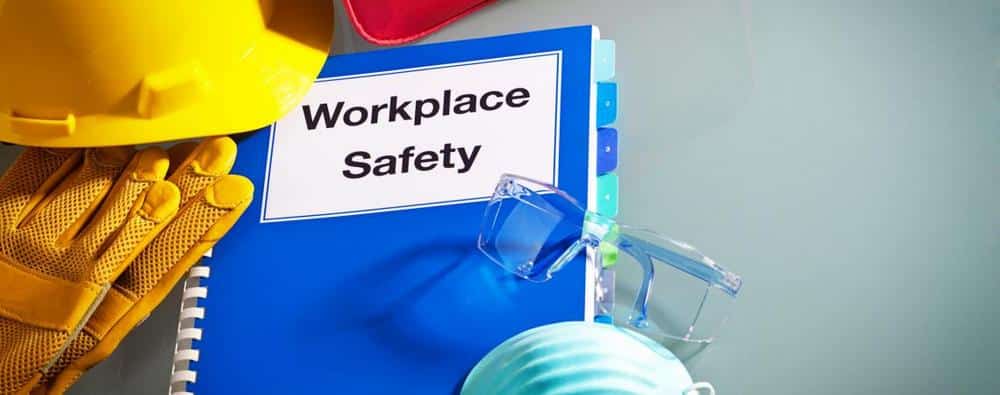

Most workplace safety efforts get focused on training people and writing procedures, but the biggest safety wins actually come from designing the hazards out of the workplace before anyone even gets there. When equipment gets designed right from the start, it eliminates tons of safety risks that workers would otherwise have to navigate around every day. This approach prevents way more accidents than trying to teach people to avoid dangers that really shouldn’t exist in the first place.
The difference between fixing safety problems after they happen and preventing them through smart equipment design becomes pretty obvious when looking at accident numbers. Workplaces with well-thought-out equipment consistently have fewer incidents, pay less for insurance, and lose less time to injuries. The money spent on better equipment design pays itself back through avoided accident costs and better productivity.
Equipment That Just Gets Rid of Hazards
Industrial equipment creates the same safety problems over and over—pinch points, spinning parts that shouldn’t be accessible, inadequate guards, and setups that force people into awkward positions. These are all design problems that can get solved during equipment selection and setup instead of being managed through endless safety meetings and procedures.
Material handling systems are probably where you see the biggest opportunities for safety improvement through better design. Conveyors especially create multiple danger spots where picking the right equipment makes a huge difference. Material spillage around conveyor systems creates slip hazards that can be prevented with proper containment systems such as conveyor skirting that actually keeps material on the belt instead of ending up on the floor where people can slip on it.
Safety guards that get built into equipment during manufacturing work way better than ones that get bolted on afterward. When safety features are part of the original design, they don’t get in the way of normal operation or maintenance work, which means they actually stay in place and keep protecting people.
Automated systems can pull workers out of dangerous areas completely, which eliminates the risk instead of just reducing it. Remote controls, automated material handling, and monitoring systems that work from safe locations all cut down on the need for people to be around dangerous machinery.
Equipment Design That Prevents Wear-and-Tear Injuries
Repetitive stress injuries and muscle problems actually cause more lost work days than dramatic accidents, but they’re often preventable with smarter equipment design. Workstations, tools, and machines that work with natural body mechanics reduce strain and prevent the gradual injuries that build up over months and years.
Equipment that adjusts to different worker heights means people don’t have to stretch, bend, or work in uncomfortable positions. Controls within easy reach prevent the overextending and awkward positions that lead to shoulder and back problems. Tools designed to need less grip strength and create less vibration help prevent hand and wrist injuries.
Material handling equipment that cuts down on lifting, carrying, and manual handling protects people from back injuries while usually making work faster too. Conveyor systems, lift tables, and powered tools all reduce the physical demands on workers.
The trick is picking equipment based on how it actually gets used in real situations, not just how it’s supposed to work. Equipment that performs great in perfect conditions might create ergonomic problems in cramped spaces or when maintenance access is awkward.
Environmental Controls That Are Just Built In
Dust, noise, chemical exposure, and extreme temperatures all create health problems that can be controlled through equipment design rather than just loading people up with protective gear. Environmental controls built into the systems work more reliably and need less constant attention than add-on solutions.
Dust control systems that are part of the material handling equipment stop particles from getting into the air workers breathe. Enclosed conveyors, built-in dust collection, and transfer designs that don’t create dust clouds protect air quality better than making everyone wear respirators.
Noise reduction through equipment design prevents hearing damage and cuts down on the need for hearing protection that makes it hard to communicate and stay aware of what’s happening. Quieter motors, vibration dampening, and sound barriers all create better work environments.
Ventilation systems designed for specific processes work much better than generic building ventilation for controlling dangerous fumes and particles. Local exhaust systems, fume capture right at the source, and enclosed processes all remove hazardous materials where they start.
Maintenance Design That Actually Stays Safe
Equipment that’s hard to maintain safely often ends up getting maintained unsafely, creating unnecessary risks for maintenance crews. Design features that make routine maintenance safer and easier help make sure safety systems keep working properly for the equipment’s entire life.
Service points that are easy to reach cut down on the need for maintenance workers to climb, stretch, or work in weird positions. Clear access to grease fittings, filters, and inspection areas lets routine maintenance get done safely and completely.
Lockout/tagout systems that are simple to use and clearly marked help make sure energy isolation procedures actually get followed every time. Equipment with obvious shutoff points and built-in locking hardware makes safe maintenance procedures more straightforward.
Modular designs that let components get serviced or swapped out without exposing workers to running equipment reduce maintenance risks. Systems that can be partially shut down for service while other parts keep running also reduce the pressure to cut corners on safety procedures.
Why Safety-Focused Design Pays Off Long Term
Workplace safety improvements through better equipment design create benefits that keep adding up over time. The upfront investment in well-designed equipment usually pays for itself through fewer accidents, lower insurance costs, and better productivity.
People want to work in safer places, so employee satisfaction and retention improve, which cuts down on turnover costs and keeps experienced workers around. People who feel safe work better and care more about their jobs, which helps overall business performance.
Meeting safety regulations becomes easier when safety features are built into equipment instead of tacked on later. Well-designed systems often exceed minimum requirements, providing a cushion against changing regulations and reducing compliance headaches.

Comments are closed.