
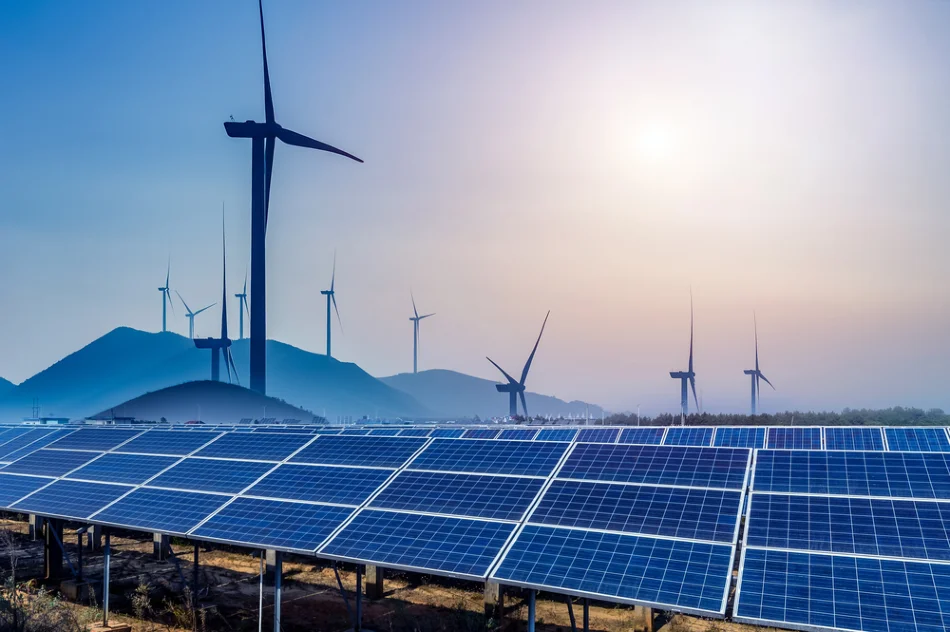

Renewable energy industries are expanding rapidly as governments, businesses, and communities respond to rising energy demand, environmental concerns, and the need for long term economic stability. Technologies that generate power from solar radiation, wind movement, water flow, biomass resources, and geothermal heat are transforming how electricity is produced and distributed worldwide. These industries are no longer niche alternatives to fossil fuels. They are becoming central pillars of modern energy systems.
Growth opportunities within renewable energy sectors extend beyond electricity generation alone. They include infrastructure development, manufacturing innovation, energy storage systems, workforce expansion, digital grid management, and sustainable transportation integration. As energy markets evolve, renewable industries are creating new investment pathways, employment opportunities, and technological breakthroughs that support long term resilience.
Understanding these opportunities helps policymakers, investors, engineers, and planners participate effectively in one of the most important economic transitions of the century.
The Expanding Role of Renewable Energy in Global Power Systems
Renewable energy technologies are increasingly replacing traditional fossil fuel based power systems. This transition is supported by falling equipment costs, improved efficiency levels, and stronger climate policies across many regions.
Major renewable energy sources currently driving expansion include:
- Solar photovoltaic systems
- Onshore and offshore wind energy
- Hydropower installations
- Biomass based energy production
- Geothermal energy systems
These energy sources improve energy independence while reducing emissions associated with conventional power generation.
As demand for clean electricity continues to grow, renewable energy industries are creating strong opportunities across manufacturing, installation, and infrastructure sectors.
Solar Energy Industry Driving Employment and Investment Growth
Solar energy remains one of the fastest growing segments within the renewable energy sector. Advances in photovoltaic efficiency and declining module costs have made solar installations more accessible for residential, commercial, and utility scale applications.
Growth opportunities in the solar industry include:
- Panel manufacturing facilities
- Rooftop solar installation services
- Utility scale solar farm development
- Solar tracking system engineering
- Grid integration technology support
Solar deployment also supports expansion of local employment opportunities because installation and maintenance services are often regionally based.
In many markets, distributed solar generation allows communities to participate directly in clean energy production rather than relying solely on centralized power stations.
Wind Energy Expansion Supporting Large Scale Infrastructure Development
Wind energy projects continue to expand across both onshore and offshore environments. Improvements in turbine efficiency and blade design have increased energy output while lowering production costs.
Key growth areas within the wind energy sector include:
- Offshore wind installation infrastructure
- Turbine manufacturing operations
- Maintenance service networks
- Transmission system upgrades
- Port facility expansion supporting turbine assembly logistics
Offshore wind development in particular represents a major opportunity for coastal economies because it requires specialized engineering support, marine transport systems, and long term maintenance services.
These projects also stimulate investment in regional supply chains supporting structural fabrication and transportation equipment.
Energy Storage Technologies Enabling Renewable Grid Stability
One of the most important growth opportunities within renewable energy industries involves energy storage technology. Because solar and wind power generation varies with environmental conditions, storage systems help maintain stable electricity supply.
Important energy storage solutions include:
- Lithium based battery systems
- Flow battery technologies
- Pumped hydro storage facilities
- Thermal storage technologies
- Hydrogen based storage systems
Energy storage infrastructure supports reliable renewable integration across power grids and creates opportunities for innovation in materials engineering and digital monitoring systems.
As renewable capacity increases, demand for storage solutions continues to grow rapidly.
Hydrogen Energy Systems Supporting Future Clean Fuel Markets
Hydrogen energy is emerging as a promising component of future renewable energy strategies. When produced using renewable electricity, hydrogen becomes a low emission fuel that supports transportation, industrial operations, and long duration energy storage.
Growth opportunities in hydrogen energy industries include:
- Electrolyzer manufacturing
- Hydrogen storage infrastructure development
- Fuel cell technology research
- Industrial hydrogen transportation systems
- Green hydrogen export networks
Hydrogen solutions are particularly valuable for sectors that cannot easily transition to direct electrification, such as heavy industry and long distance freight transportation.
Investment in hydrogen infrastructure is expected to expand significantly as governments support clean fuel innovation strategies.
Renewable Energy Manufacturing Strengthening Industrial Supply Chains
Renewable energy industries rely heavily on advanced manufacturing processes. Equipment such as solar modules, wind turbine blades, battery storage systems, and inverters require specialized production facilities.
Manufacturing growth opportunities include:
- Semiconductor production for photovoltaic cells
- Composite material fabrication for turbine blades
- Electrical component manufacturing for grid integration
- Battery cell production facilities
- Structural steel fabrication for renewable installations
Expanding domestic manufacturing capacity improves supply chain stability while supporting regional employment development.
Manufacturing innovation also helps reduce dependence on imported energy technologies.
Smart Grid Technologies Supporting Renewable Energy Integration
Modern electricity networks are evolving into intelligent grid systems capable of managing distributed renewable generation efficiently.
Smart grid technologies enable:
- Real time energy demand monitoring
- Automated load balancing systems
- Distributed energy resource coordination
- Advanced outage detection systems
- Remote energy management platforms
These systems improve the reliability of renewable energy integration while reducing energy waste across transmission networks.
Smart grids also support integration of electric vehicles and decentralized rooftop solar systems into existing infrastructure.
Workforce Development Creating Long Term Employment Opportunities
Renewable energy industries support a wide range of technical and professional career paths. Workforce development plays a central role in enabling long term sector growth.
Important employment areas include:
- Electrical engineering for grid infrastructure
- Construction management for energy installations
- Environmental assessment services
- Equipment maintenance operations
- Renewable energy system design consulting
Training programs and technical education initiatives help prepare workers for emerging roles across clean energy sectors.
As renewable deployment expands globally, workforce demand continues to increase across both urban and rural regions.
Renewable Energy Investment Opportunities Supporting Economic Growth
Investment opportunities within renewable energy industries continue to attract both public and private funding sources. These investments support infrastructure expansion while strengthening national energy independence strategies.
Key investment areas include:
- Utility scale solar generation facilities
- Offshore wind development projects
- Energy storage infrastructure networks
- Renewable manufacturing facilities
- Hydrogen fuel production plants
Long term investment stability is supported by predictable operating costs and declining technology prices across many renewable sectors.
These characteristics make renewable energy industries attractive components within diversified infrastructure portfolios.
Rural Development Opportunities Through Renewable Energy Deployment
Renewable energy installations often require large land areas located outside major urban centers. As a result, rural communities benefit significantly from clean energy infrastructure expansion.
Rural development benefits include:
- Local employment during installation phases
- Land lease income opportunities for property owners
- Improved regional infrastructure access
- Increased municipal tax revenue
- Support for agricultural energy independence
Distributed renewable energy systems also strengthen electricity reliability in remote locations where traditional infrastructure expansion may be difficult.
These benefits contribute to balanced regional economic development.
Policy Support Accelerating Renewable Industry Expansion
Government policies play an important role in shaping renewable energy growth opportunities. Incentive programs encourage investment while improving market stability for project developers.
Common policy tools supporting renewable industries include:
- Tax credit programs for clean energy investments
- Renewable portfolio standards for utilities
- Grid modernization funding initiatives
- Research support for emerging technologies
- Infrastructure financing partnerships
Policy support helps reduce investment risk while accelerating adoption of renewable technologies across multiple sectors.
Stable regulatory environments strengthen investor confidence and support long term project planning.
Future Innovation Pathways in Renewable Energy Industries
Emerging technologies continue to expand renewable energy potential across global markets. Innovation efforts focus on improving efficiency, reducing material costs, and increasing system reliability.
Future development areas include:
- Floating offshore wind installations
- Transparent solar integration within building facades
- Advanced battery recycling technologies
- Artificial intelligence based energy forecasting systems
- Integrated renewable microgrid infrastructure
These innovations will help renewable energy systems operate more efficiently while supporting broader electrification strategies across transportation and industrial sectors.
Continued collaboration between governments, research institutions, and private companies will play a key role in accelerating these advancements.
Frequently Asked Questions
What industries benefit most from renewable energy growth
Construction, manufacturing, transportation, utilities, and digital infrastructure sectors all benefit significantly from renewable energy expansion.
Why is energy storage important for renewable power systems
Energy storage helps balance electricity supply and demand by storing excess renewable generation for use during periods of low production.
How does renewable energy support rural economic development
Renewable installations create employment opportunities, generate land lease income, and improve infrastructure investment in rural regions.
What role do smart grids play in renewable energy expansion
Smart grids enable efficient coordination of distributed energy resources and improve reliability across electricity transmission systems.
Can renewable energy industries support long term job stability
Yes. Renewable energy sectors create sustained employment opportunities in installation, maintenance, engineering, and manufacturing operations.
Why is hydrogen considered an important renewable energy resource
Hydrogen provides a clean fuel option for sectors that are difficult to electrify directly, including heavy transportation and industrial processing.
How do falling technology costs influence renewable energy adoption
Declining equipment costs improve project affordability, making renewable energy systems more accessible to utilities, businesses, and homeowners.

Comments are closed.