

The automotive industry has undergone one of the most dramatic technological transformations of any modern sector. What began as a mechanical transportation solution powered by internal combustion engines has evolved into a sophisticated ecosystem driven by electrification, connectivity, automation, and sustainability. Today, vehicles are no longer defined solely by horsepower and mechanical reliability. They are intelligent mobility platforms integrating digital systems, environmental technologies, and user-centered design.
Modern automotive development reflects broader global priorities such as climate responsibility, urban efficiency, and smart infrastructure integration. As a result, the industry is shifting rapidly toward cleaner propulsion systems, connected vehicle networks, and advanced driver assistance technologies that reshape how people travel and interact with transportation systems.
Understanding the Automotive Industry Structure
The automotive industry includes a complex network of manufacturers, suppliers, designers, engineers, infrastructure planners, and technology developers. Each segment contributes to vehicle production, performance optimization, safety standards, and lifecycle management.
Major components of the automotive ecosystem include:
- Vehicle manufacturers producing passenger cars and commercial vehicles
- Component suppliers supporting engines, electronics, and structural systems
- Software developers creating intelligent vehicle platforms
- Mobility service providers supporting shared transportation models
- Infrastructure networks supporting fuel and charging systems
Together, these sectors form a highly integrated transportation environment that continues to evolve alongside technological progress.
The Transition From Mechanical Vehicles to Intelligent Mobility Systems
Traditional vehicles relied primarily on mechanical engineering performance. Modern vehicles combine mechanical systems with digital intelligence to improve efficiency, safety, and user interaction.
Key changes shaping this transformation include:
Integration of digital control systems
Vehicles now rely on onboard computers that monitor performance, manage fuel efficiency, and enhance driving stability.
Advanced sensor networks
Radar, cameras, and ultrasonic sensors help vehicles interpret their surroundings in real time.
Software driven functionality
Many vehicle features such as navigation, safety alerts, and energy optimization depend on software updates rather than mechanical upgrades.
This shift has transformed automobiles into dynamic technological platforms rather than static transportation tools.
The Rise of Electric Vehicles in Modern Transportation
Electric vehicles represent one of the most significant developments in the automotive sector. Their adoption is driven by environmental concerns, fuel efficiency advantages, and advances in battery technology.
Benefits of electric vehicles include:
- Reduced greenhouse gas emissions during operation
- Lower maintenance requirements compared to combustion engines
- Quieter driving environments
- Improved energy efficiency
- Compatibility with renewable energy systems
Battery performance improvements continue to increase driving range while reducing charging times, making electric vehicles more practical for everyday transportation.
As charging infrastructure expands across urban and highway networks, electric mobility is becoming increasingly accessible.
Hybrid Technology Supporting the Transition Period
Hybrid vehicles combine internal combustion engines with electric propulsion systems. This configuration allows drivers to benefit from reduced fuel consumption while maintaining extended travel range.
Hybrid systems operate in several ways:
- Electric motors assist during acceleration
- Engines recharge batteries during operation
- Regenerative braking stores recovered energy
- Vehicles switch between power sources automatically
Hybrid technology provides a practical intermediate step toward fully electric transportation systems, especially in regions where charging infrastructure is still developing.
Autonomous Driving Technologies Transforming Road Safety
Autonomous driving systems are redefining how vehicles interact with their environment. These technologies use artificial intelligence, sensors, and mapping systems to support safe navigation.
Levels of automation currently available include:
- Lane keeping assistance
- Adaptive cruise control
- Automatic emergency braking
- Parking assistance systems
- Traffic monitoring alerts
Fully autonomous driving remains under development, but advanced driver assistance systems already reduce accident risk by supporting driver awareness and reaction time.
As these technologies mature, they are expected to improve road safety significantly and reduce human error related collisions.
Connected Vehicles and Smart Transportation Networks
Connected vehicles communicate with other vehicles, infrastructure systems, and cloud based platforms. This connectivity enables improved traffic management and real time navigation optimization.
Connected vehicle capabilities include:
- Real time traffic condition updates
- Predictive maintenance alerts
- Remote vehicle monitoring through mobile applications
- Emergency communication systems
- Navigation route optimization based on live conditions
Vehicle connectivity also supports the development of smart cities where transportation networks operate more efficiently through coordinated data exchange.
This integration improves both mobility efficiency and urban sustainability performance.
Automotive Safety Innovations Improving Driver Protection
Safety engineering has become one of the most important priorities in automotive development. Modern vehicles include advanced structural reinforcement systems and intelligent safety technologies that protect occupants during accidents.
Major safety innovations include:
Airbag deployment systems
Strategically positioned airbags reduce injury risk during collisions.
Electronic stability control
Vehicles automatically adjust braking force to maintain stability during sudden maneuvers.
Collision avoidance systems
Sensors monitor surrounding traffic conditions and warn drivers of potential hazards.
Blind spot monitoring systems
Drivers receive alerts when vehicles enter areas outside mirror visibility range.
Together, these technologies contribute to safer transportation environments across both urban and highway conditions.
Lightweight Materials Enhancing Vehicle Efficiency
Weight reduction plays a critical role in improving vehicle performance and energy efficiency. Automakers increasingly rely on advanced materials that reduce structural mass while maintaining strength.
Common lightweight materials include:
- High strength aluminum alloys
- Carbon fiber composites
- Advanced high strength steel
- Magnesium components
- Reinforced polymer panels
Reducing vehicle weight improves fuel economy in combustion vehicles and extends driving range in electric vehicles.
Material innovation continues to shape future vehicle platform design strategies.
Sustainability Driving Automotive Industry Transformation
Environmental responsibility is now central to automotive innovation. Manufacturers are redesigning production systems and vehicle platforms to reduce environmental impact throughout the lifecycle of each vehicle.
Sustainability strategies include:
- Electrification of vehicle fleets
- Use of recycled materials in manufacturing
- Reduction of production waste
- Improved battery recycling technologies
- Adoption of renewable energy in factories
These changes support global climate goals while improving long term industry resilience.
Sustainable manufacturing practices also strengthen supply chain efficiency and reduce operational costs over time.
Digital Manufacturing Reshaping Vehicle Production
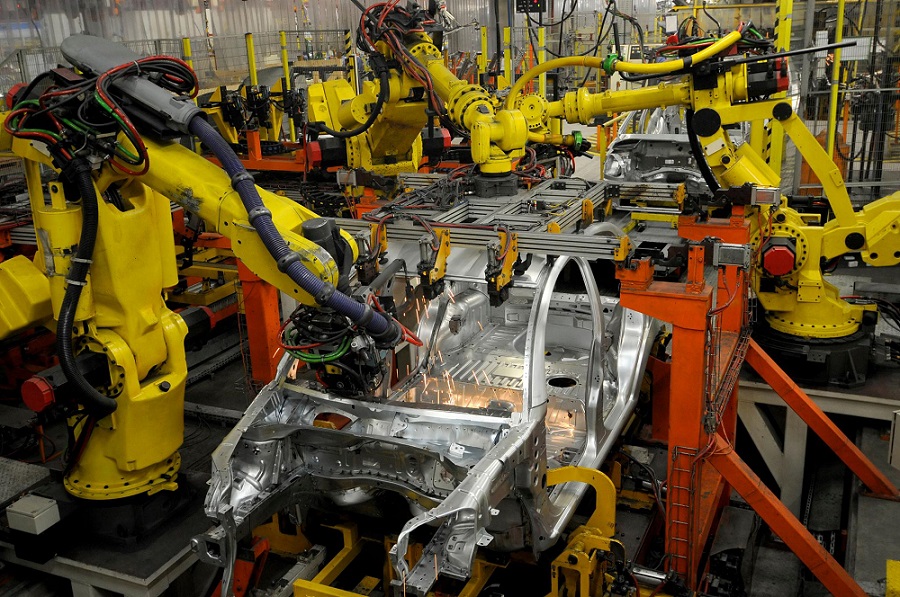
Modern automotive manufacturing relies heavily on automation and digital modeling technologies that improve accuracy and efficiency during production.
Examples of digital manufacturing innovation include:
- Robotic assembly line operations
- Computer aided design modeling systems
- Digital twin simulation platforms
- Real time quality monitoring technologies
- Predictive maintenance for production equipment
These technologies reduce production errors and improve consistency across vehicle platforms.
Digital manufacturing also enables faster adaptation to changing consumer demands and market trends.
Interior Design Innovation Improving User Experience
Vehicle interiors are evolving from simple driver focused spaces into intelligent environments that support connectivity, comfort, and personalization.
Modern interior features include:
- Touchscreen control interfaces
- Voice activated navigation systems
- Wireless device integration
- Ergonomic seating systems
- Ambient lighting customization
Interior design now reflects the broader shift toward vehicles functioning as mobile living environments rather than basic transportation tools.
Comfort and digital interaction are becoming as important as performance in vehicle purchasing decisions.
The Future of Automotive Mobility Systems
The future automotive landscape will likely involve integrated transportation ecosystems rather than individually owned vehicles operating independently.
Emerging trends shaping future mobility include:
- Expansion of electric charging infrastructure networks
- Growth of shared mobility services
- Development of autonomous transportation fleets
- Integration of vehicles with smart city infrastructure
- Increased adoption of renewable energy powered transportation
These developments suggest that automobiles will function as components within larger mobility networks designed to improve efficiency, safety, and environmental performance.
The automotive industry is moving toward a future where transportation becomes cleaner, smarter, and more responsive to both human and environmental needs.
Frequently Asked Questions
What is the difference between electric vehicles and hybrid vehicles
Electric vehicles operate entirely on battery power, while hybrid vehicles combine an internal combustion engine with an electric motor to improve fuel efficiency and extend driving range.
How long do electric vehicle batteries typically last
Most modern electric vehicle batteries are designed to last between eight and fifteen years depending on usage conditions, charging patterns, and environmental factors.
Are autonomous vehicles currently available for everyday use
Fully autonomous vehicles are still under development, but many vehicles already include partial automation features such as adaptive cruise control and lane keeping assistance.
Why are lightweight materials important in automotive engineering
Lightweight materials improve fuel efficiency, extend electric driving range, and enhance vehicle performance by reducing overall structural mass.
How does regenerative braking improve vehicle efficiency
Regenerative braking captures energy normally lost during braking and stores it in the battery for later use, improving overall energy efficiency.
What role does software play in modern vehicles
Software controls navigation systems, safety monitoring, connectivity features, energy management, and driver assistance technologies in modern vehicles.
Can automotive manufacturing become fully sustainable in the future
Automotive manufacturing is moving toward sustainability through electrification, recycled materials, renewable energy usage, and cleaner production methods, although full sustainability will require continued technological advancement and infrastructure support.

Comments are closed.