

A driveway may look like a simple stretch of asphalt, but the finished surface depends heavily on what happens before paving begins. The slope of the property, condition of the ground, driveway layout, water flow, base preparation, and connection to the street all influence how the pavement feels and functions after installation.
For residential paving in Wylie, those early decisions matter because Texas heat, heavy rain, everyday vehicle traffic, and local soil conditions place regular stress on paved surfaces. Looking at the entire driveway area before asphalt goes down creates a better starting point than focusing on the top layer alone.
Start With the Way the Driveway Is Actually Used
Driveways serve different purposes from one property to another. One may only hold two passenger vehicles, while another has frequent deliveries, a trailer, an RV, or a longer path leading to a detached garage. The layout should reflect those everyday patterns.
Look at where vehicles enter, turn, park, and back out. Tight corners or narrow transitions may feel inconvenient even when the pavement itself is smooth. A wider section near the garage may make daily movement easier, while another property may benefit from keeping the paved footprint smaller. Planning around actual vehicle movement gives the driveway a purpose beyond creating a clean surface.
Grading Determines Where Rainwater Goes
A driveway needs a deliberate slope. Water should move away from areas where pooling would create trouble instead of settling into low spots after every storm.
Wylie Paving Company currently lists grading as part of its residential paving process, with the surface shaped according to the property’s slope for proper water movement. People researching local asphalt and driveway work may visit wyliepaving.com to review its residential paving, driveway paving, repair, resurfacing, and related services.
During residential paving in Wylie, grading should be considered before base material and asphalt cover the area. Once the finished surface is in place, correcting a poorly planned low spot becomes much more involved.
Watch the Property During a Heavy Rain
A dry driveway does not reveal much about drainage. Rain does.
Before paving begins, notice where water already travels across the property. Look for low sections beside the garage, runoff crossing the proposed driveway, soil that stays wet longer than surrounding areas, and locations where water collects near landscaping.
The driveway becomes another hard surface within that drainage pattern. The U.S. Environmental Protection Agency explains that stormwater runoff flows over impervious surfaces such as paved streets and parking areas instead of soaking directly into the ground.
This makes the direction of runoff worth considering during the initial layout. A smooth paved surface works best when water has a practical route away from the areas people drive, park, and walk.
The Base Matters Before the Asphalt Arrives
Fresh asphalt gets the attention because it creates a visible transformation. The material below it deserves just as much thought.
The paving area needs preparation before the surface layer goes down. Loose or unsuitable material may need removal, and the base needs to be shaped and compacted to create a stable foundation for the pavement above.
Wylie Paving Company describes its residential process as preparing the ground, building the base, applying asphalt layers, and compacting the finished surface. Those stages work together. A smooth top layer does not replace the need for proper preparation underneath it.
Compaction Gives the Surface Support
Base material that remains loose may shift more easily under repeated vehicle loads. Compaction reduces empty space within the material and creates a firmer surface for the asphalt.
The process usually happens in controlled passes rather than one quick trip over the driveway. Different parts of the site may also require different attention based on the existing ground and layout.
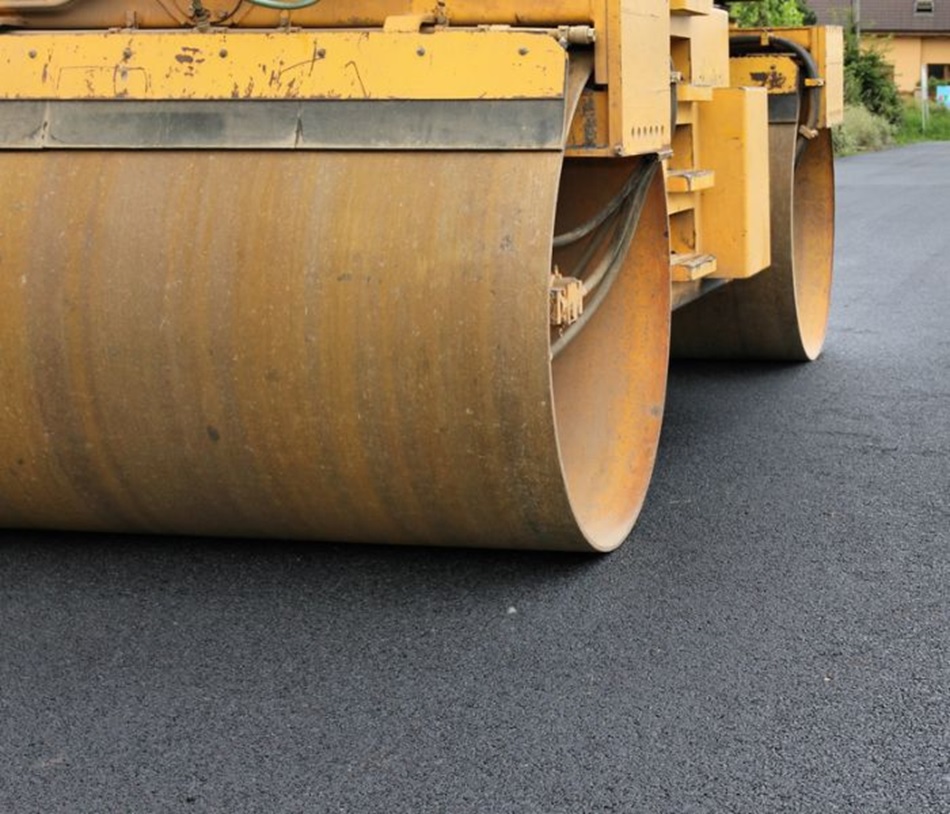
Compaction continues after asphalt is placed. Rollers create the dense, even surface people associate with a newly paved driveway. This stage also influences how the pavement meets edges, transitions, and adjoining surfaces.
Driveway Edges Need a Clear Plan
The center of a driveway receives plenty of vehicle traffic, but the edges experience their own stresses.
Tires occasionally travel close to the side. Landscaping meets the pavement there. Water leaves the surface along portions of the perimeter. Unsupported or poorly finished edges may become more vulnerable to breaking and crumbling.
Wylie Paving Company lists clean edge trimming as part of its residential paving approach. The surrounding landscape should also work with those edges rather than leave abrupt drops immediately beside the asphalt.
Think about grass, gravel, planting beds, walkways, and other materials that will meet the finished pavement. A planned transition gives the driveway a cleaner appearance and makes the edge feel connected to the rest of the property.
The Garage Transition Should Feel Natural
One of the most noticeable parts of a driveway is the point where it meets the garage.
A rough height change becomes obvious each time a vehicle crosses it. Water may also collect where two surfaces meet if the transition does not follow the surrounding grade.
Existing garage slabs deserve review before paving begins. The contractor needs to understand how the new asphalt will meet the concrete and how water should move near that connection.
The same applies where the driveway reaches a walkway, gate, sidewalk, or another paved surface. These transitions may occupy only a small part of the project, but people interact with them constantly.
More Asphalt Is Not Always Better
It may be tempting to pave as much space as possible, particularly on larger properties. Extra pavement is useful only when it serves a purpose.
Think about where vehicles truly need room to move. Consider how much space should remain for landscaping, drainage, lawn areas, or other outdoor uses.
A driveway extension may make sense when the household has several vehicles or needs additional turning space. Another property may work better with a narrower footprint and more surrounding green space.
The best layout fits daily routines rather than simply filling every available area with pavement.
Heat Matters During Residential Paving
Texas summer temperatures affect the way paved surfaces experience daily conditions. Dark asphalt absorbs considerable solar energy, and driveway surfaces may become extremely warm during sunny periods.
Heat also influences the paving process itself. Wylie Paving Company notes that asphalt is applied at the proper temperature as part of its residential installation process.
After installation, fresh pavement needs time to settle and firm. The company advises avoiding sharp turns and repeatedly parking in exactly the same location during the early period after paving, particularly during hot weather.
Following the contractor’s initial-use instructions protects the fresh surface while it moves through that early stage.
Think About Parking Habits Before Finalizing the Layout
Where vehicles sit every night matters when planning the driveway.
One household may park side by side. Another may line vehicles up from the garage toward the street. Some properties need room to turn around rather than backing directly into traffic.
Walk through those movements before construction starts. Imagine each vehicle in place and consider how passengers get in and out. Trash bins, gates, basketball hoops, storage areas, and walkways may also compete for space near the driveway.
Small layout changes made before paving are much easier than wishing the finished surface extended another few feet in a particular direction.
Existing Pavement May Not Always Need Full Replacement
A worn driveway does not automatically require removing every layer and starting over.
The right approach depends on its condition.
Localized cracks, rough areas, or damaged sections may qualify for repair. A structurally sound driveway with widespread surface wear may be a candidate for asphalt resurfacing, where a new layer is placed over the prepared existing pavement.
Wylie Paving Company currently provides asphalt repair and resurfacing in addition to full paving. Evaluating the existing surface first keeps the project matched to the actual condition rather than assuming every worn driveway needs the same solution.
Plan Around Landscaping and Outdoor Features
Driveways rarely sit alone.
Trees, planting beds, sprinkler systems, retaining features, mailboxes, fences, gates, and walkways may all sit close to the paving area. Those elements should be identified before construction equipment arrives.
Tree roots deserve particular thought when mature landscaping grows close to the proposed pavement. Drainage from planting areas should also have a sensible path rather than continually washing soil or mulch onto fresh asphalt.
The driveway should fit into the larger property plan instead of forcing everything around it to change afterward.
Make Maintenance Part of the Plan
New pavement still needs routine attention as it ages.
Keeping the surface clean makes changes easier to notice. Cracks deserve attention before they spread further. Drainage paths should remain open so water does not continually collect in one section.
Sealcoating may also become part of future maintenance. Wylie Paving Company lists sealcoating among its asphalt services as a protective surface treatment against sun, moisture, and regular wear.
The timing depends on the pavement and its condition, so maintenance decisions should be based on how the driveway is actually aging instead of following a one-size-fits-all schedule.
Look at the Final Surface After Rain
A dry-day walkthrough shows the appearance of a new driveway. The first substantial rain reveals more about drainage.
Notice how quickly water moves off the pavement and where it travels afterward. Watch for areas where significant puddles remain once the rest of the driveway has drained.
The company’s residential paving process includes final checks for smoothness, drainage, and overall surface condition. Keeping an eye on the driveway after installation gives you a better sense of how those details work under real conditions.
For residential paving in Wylie, this matters because the pavement needs to handle everyday traffic and changing Texas weather rather than simply look smooth on installation day.
Build the Driveway From the Ground Up
A durable residential driveway starts long before the first visible asphalt layer. Layout, grading, drainage, ground preparation, compaction, edges, garage transitions, and everyday vehicle movement all shape the finished project.
Looking at those details first creates a driveway that fits the property and works naturally with the way people use it. When your driveway needs new paving, resurfacing, or repair, contact Wylie Paving Company to discuss the condition of your current pavement and the right approach for your property.
