
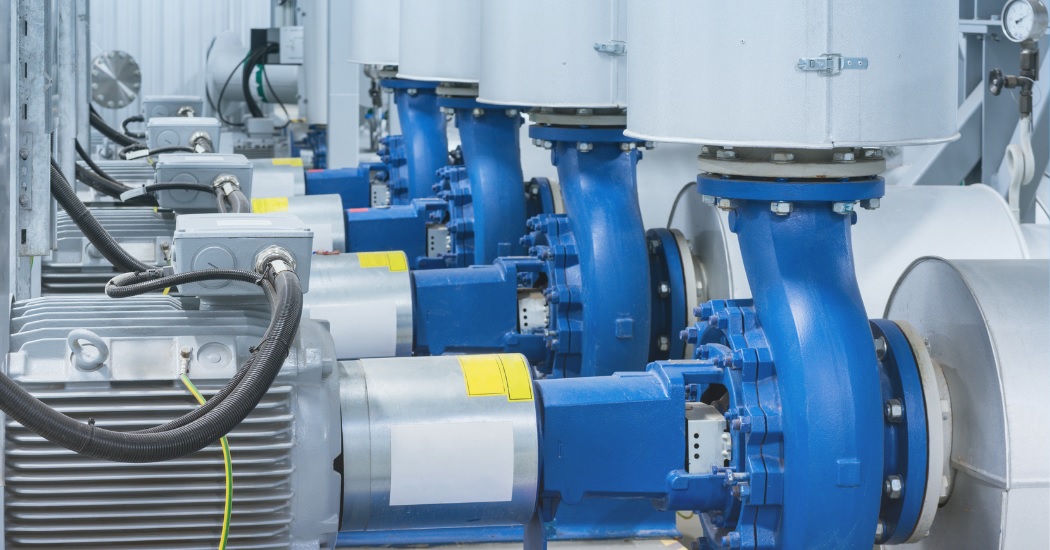

Most pump training falls short because it starts with a calendar instead of a skills list. A week-long class once a year will not correct repeat seal failures or poor startup habits. Better results come from working backward from the pumps in operation and the specific gaps in the team’s knowledge.
Audit skills before you schedule anything
Start by listing every pump type in the plant. Centrifugal and positive-displacement units require different operating habits and repair procedures, so a generic course is unlikely to cover the equipment the crew handles each day. Pull the manuals, then note the models and seal types technicians actually maintain.
Next, score each technician against a short competency matrix. Keep it simple and honest. Can each person read a pump curve and check net positive suction head margin? Can they set a mechanical seal and check shaft alignment with a laser tool? The answers show where technical training is required and which skills are already in place.
Talk to operators as well as technicians. Operators often hear the first change in noise or see the first drop in flow, and their observations can reveal training needs that work orders miss. Keep the matrix short enough to review and update twice a year.
Teach in levels that build on each other
Foundations come first. New technicians need to understand pump hydraulics in plain terms before they pick up a wrench. Cover flow and head, how to read pump curves and what net positive suction head indicates about cavitation risk.
Pump operating decisions can affect both energy use and component wear. That makes system performance a practical training topic, not just a design concern.
Use a real curve from the plant to show what happens at runout and shutoff. Explain how throttling the discharge moves the duty point and why that change matters for power draw. Technicians who can see the relationship on paper are less likely to make poor calls in the field.
Next, add component modules covering seals and packing, followed by bearings and shaft alignment. Each block should pair a short lesson with a bench demonstration so technicians can see the part, handle it and measure it correctly.
Only after completing those blocks should technicians move on to supervised repair work on properly isolated plant equipment under controlled conditions.
Mix lessons and time on tools
Classroom time has limits. People are more likely to remember theory when they apply it on the job during the same week. Pair short lessons with structured on-the-job training under a mentor who signs off each task after the technician demonstrates it correctly.
There is no need to build every lesson from scratch. Senior technicians may be good coaches, but they rarely have time to write a complete curriculum. Managers can review https://peerlesspump.com/training for external instruction options, while mentors provide plant-specific practice and daily coaching on the floor.
Manufacturer-led sessions can also support the program. Guidance published by the Hydraulic Institute provides a solid base for operating habits. Short quarterly refreshers are often more useful than one long class because knowledge fades without repeated practice.
Set a simple, sustainable rhythm. One short lesson each month, plus ten minutes of review during toolbox talks, keeps the material fresh. New hires should receive paired time on tools from their first week so sound habits develop before shortcuts take hold.
Let failure data pick the modules
Existing work orders can help determine what to teach. Pull records from the last 12 months and sort them by failure mode. If mechanical seal failure appears repeatedly, give that module more time and include a hands-on troubleshooting lab.
When cavitation appears, teach suction conditions and startup checks that keep pumps within their design range. When bearing wear is a recurring issue, cover vibration analysis and laser alignment basics that help technicians catch problems early. Tie each lesson to a pump the crew already knows.
Use the maintenance system to rank bad actors by downtime hours rather than ticket count alone. A pump with three long outages causes more disruption than one with ten quick fixes. Walk through the two most problematic pumps with the crew and connect each defect to a specific skill.
Keep the examples relevant. Use photos of failed parts from the plant and vibration plots from its own pumps. People pay closer attention when they recognize the equipment. This approach links training directly to preventive and predictive maintenance instead of filling the schedule with unrelated topics.
Make safety part of the skill and track what changed
Safety should not sit in a separate slide deck. Make the facility’s lockout/tagout procedure part of every seal change and bearing replacement before servicing begins. Cover confined-space awareness and plant procedures within the same job steps where those requirements apply.
This habit tends to stick better than a yearly reminder. It also reduces the chance that new hires will pick up unsafe shortcuts through tribal knowledge.
Track whether the plan produces results. Review unplanned pump downtime over six months, mean time between repairs and whether technicians can complete assigned tasks without help. Take those figures to leadership when seeking continued funding for the program.
Ask technicians to demonstrate alignment or seal installation without coaching. A pass should mean the person can perform the task safely and independently under the facility’s normal authorization and supervision requirements. Record those demonstrations alongside downtime trends so progress is clear to supervisors and other stakeholders.
Good training is more than a class. It results in fewer repeat failures and a crew that does not have to guess.
