
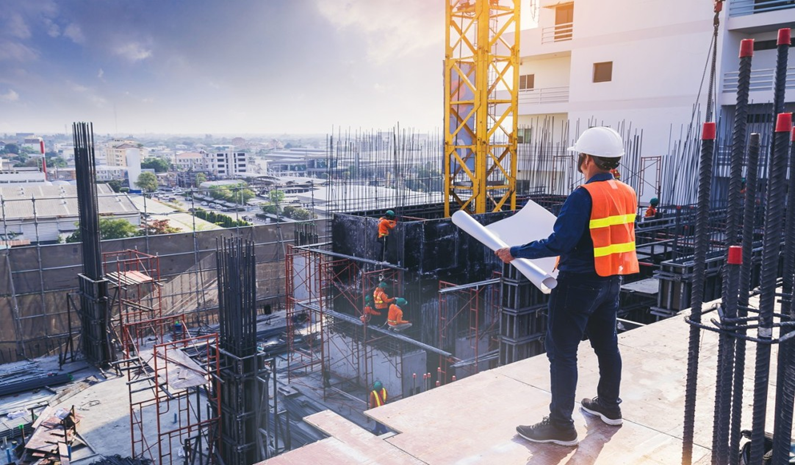

Construction has long been an engine of human progress, driving the development of essential infrastructure across the globe. From expansive highways to modern urban skylines, the industry is responsible for crafting the built environment we rely on every day. Yet, with such immense power comes the obligation to act responsibly. Traditional construction methods often place significant strain on the environment through resource consumption, habitat disruption, and waste generation. As awareness grows, more builders are committing to sustainable methods that balance progress with environmental stewardship.
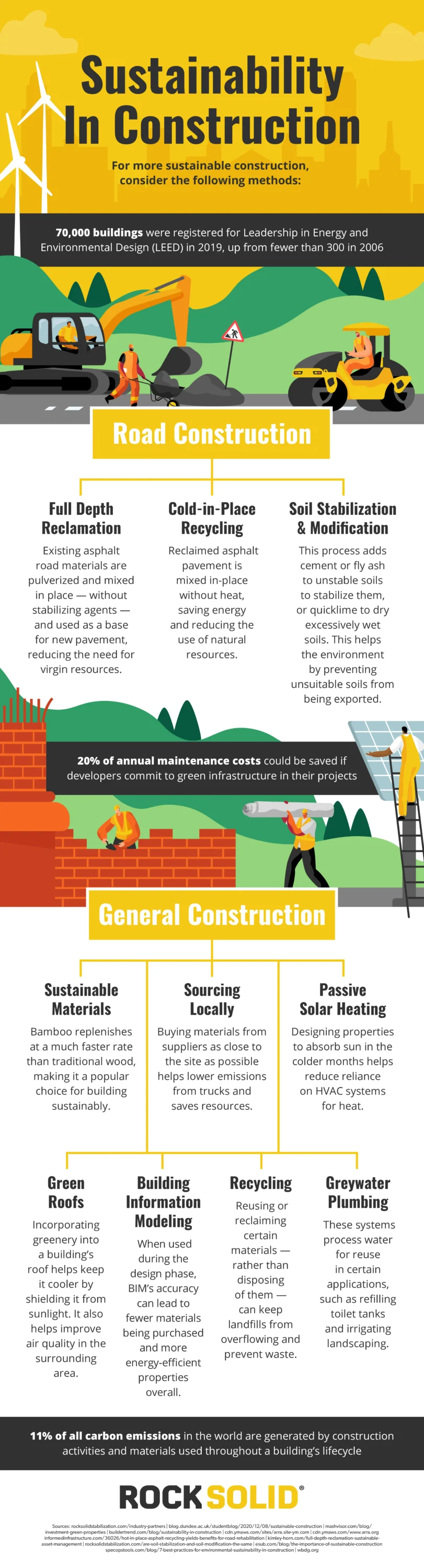
In roadway development, sustainability is gaining ground through innovative techniques that repurpose existing materials and minimize environmental disruption. For example, rather than discarding deteriorated pavement and hauling in fresh materials, crews now mill the existing surface and repurpose it for reuse. This approach significantly cuts down on waste and resource usage while also improving cost efficiency. Likewise, soil modification via stabilizing overly moist or loose soil in place, rather than removing and replacing it, helps reduce emissions and keeps natural landscapes more intact.
Sustainability also finds a place in architectural construction. An increasing number of projects now feature green roofs—living ecosystems installed on top of buildings that offer natural insulation, promote biodiversity, and lower urban heat island effects. At the same time, builders are turning to rapidly renewable materials such as bamboo, cork, and recycled metals to lessen reliance on environmentally taxing resources. These materials not only replenish more quickly but also typically require less energy to produce and transport.
Technological advancements are also playing a role. Digital tools like building information modeling (BIM) help streamline planning, reduce material waste, and enhance coordination between teams, ultimately leading to more sustainable project outcomes. Such innovations allow for a more deliberate, resource-conscious approach to construction that can meet today’s demands while preserving resources for tomorrow.
As environmental concerns become increasingly urgent, sustainable construction practices offer a clear path forward. By prioritizing methods that reduce waste, conserve energy, and support long-term ecological health, the industry can continue building the future—while protecting it at the same time. Discover additional insights and strategies for sustainable development in the accompanying resource.

Comments are closed.